
Fall Protection Inspection Services
OSHA- and manufacturer-compliant inspection of engineered fall protection systems
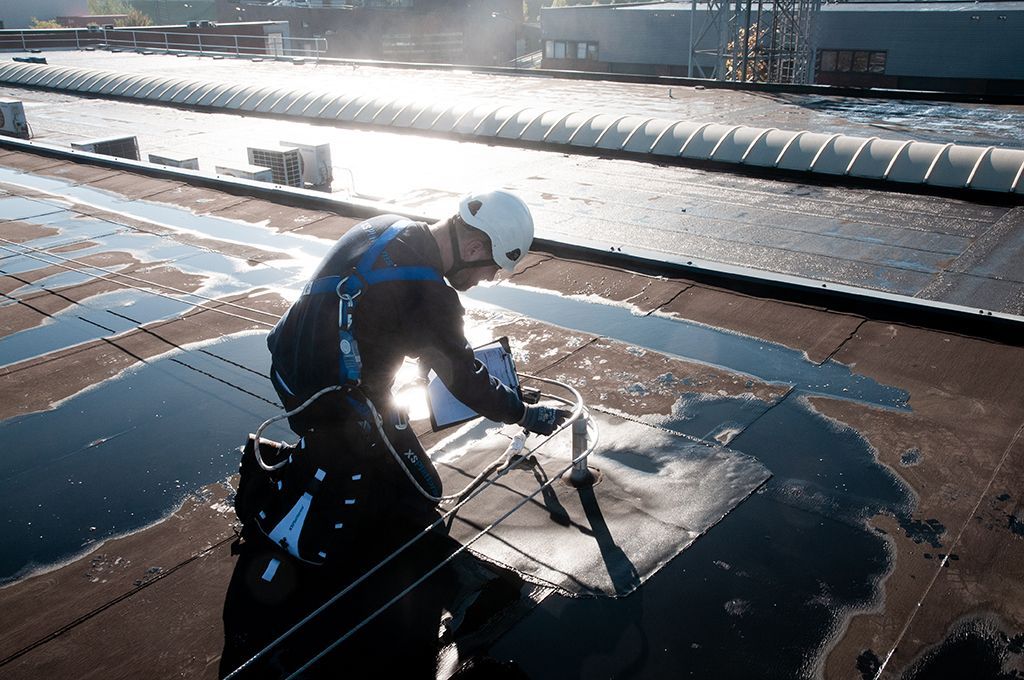
certified inspections
Inspections are performed by certified personnel trained on specific system types, using manufacturer-approved procedures and industry-recognized standards. Each inspection evaluates system condition, installation integrity, component wear, and compliance with applicable regulations (OSHA 1926, 1910, and ANSI 359).
Documentation is provided for compliance verification, internal safety programs, and third-party audits.
Fall protection & fall arrest equipment we inspect
Regular inspection of fall protection systems is required to maintain safety and serviceability. Inspections verify compliance and identify wear, damage, or degradation before components fail or require replacement.
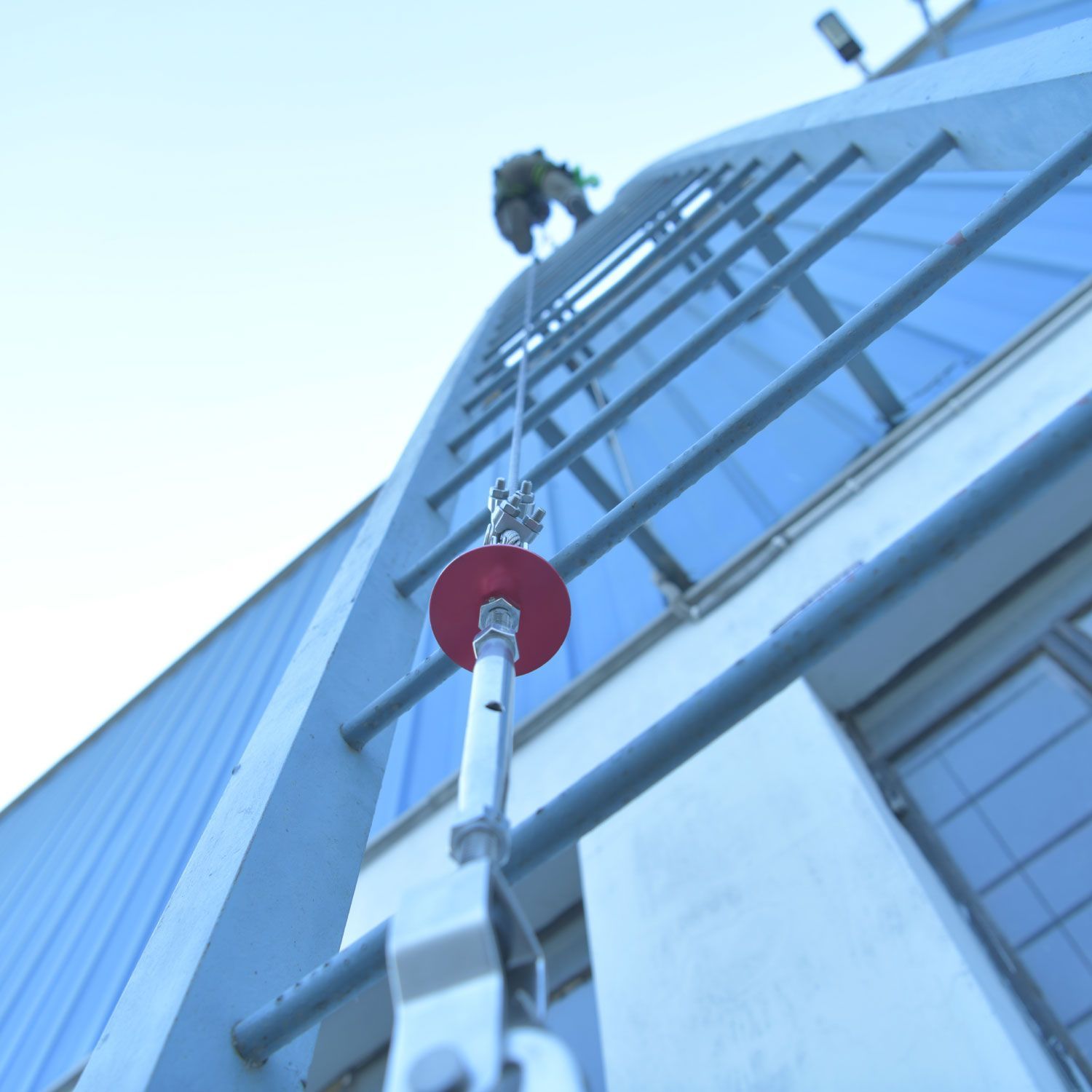
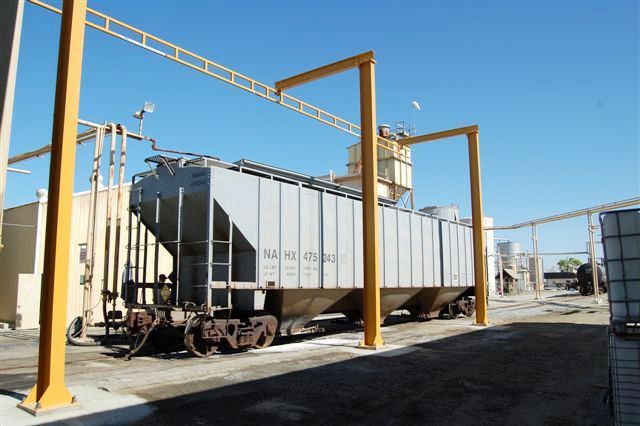
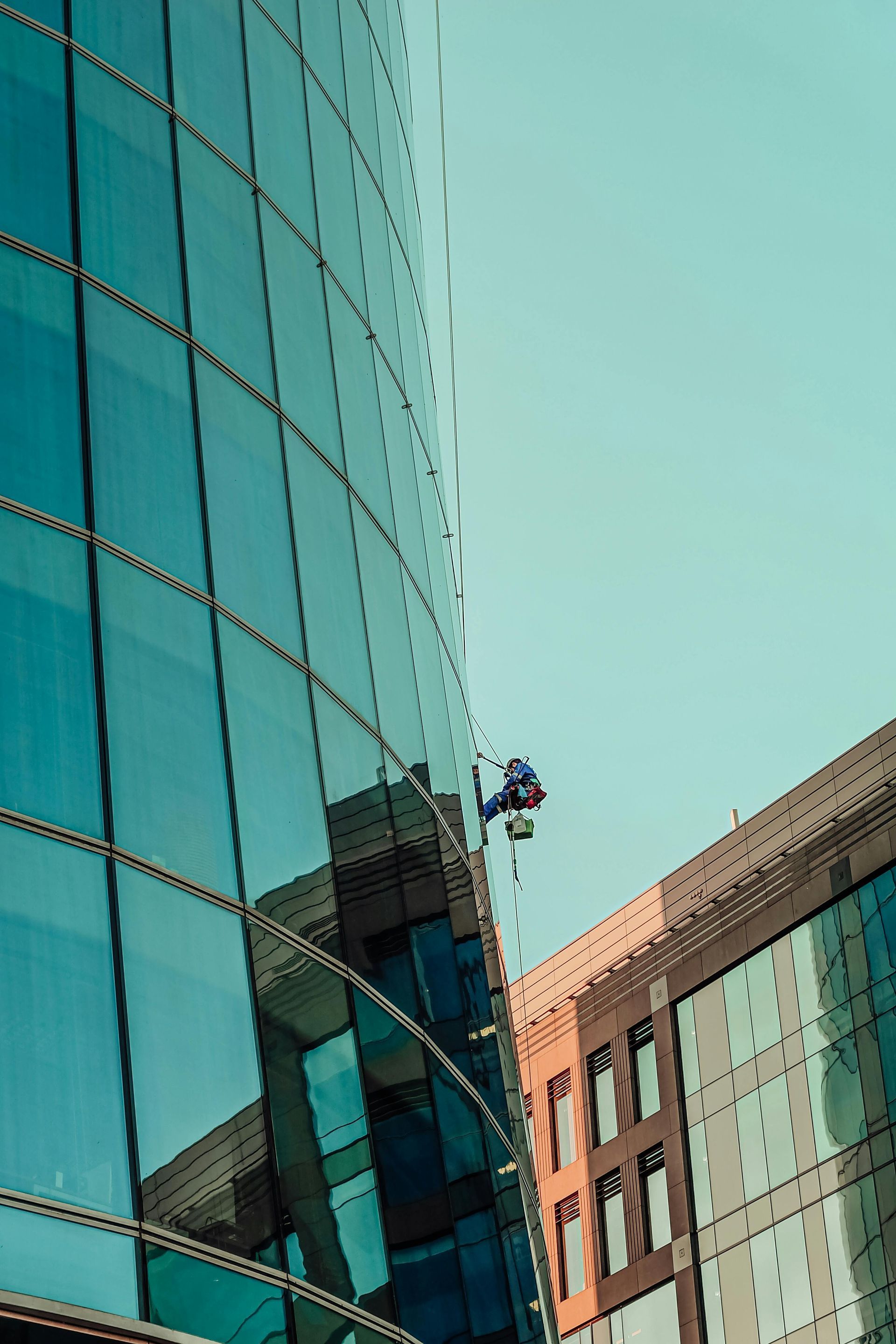
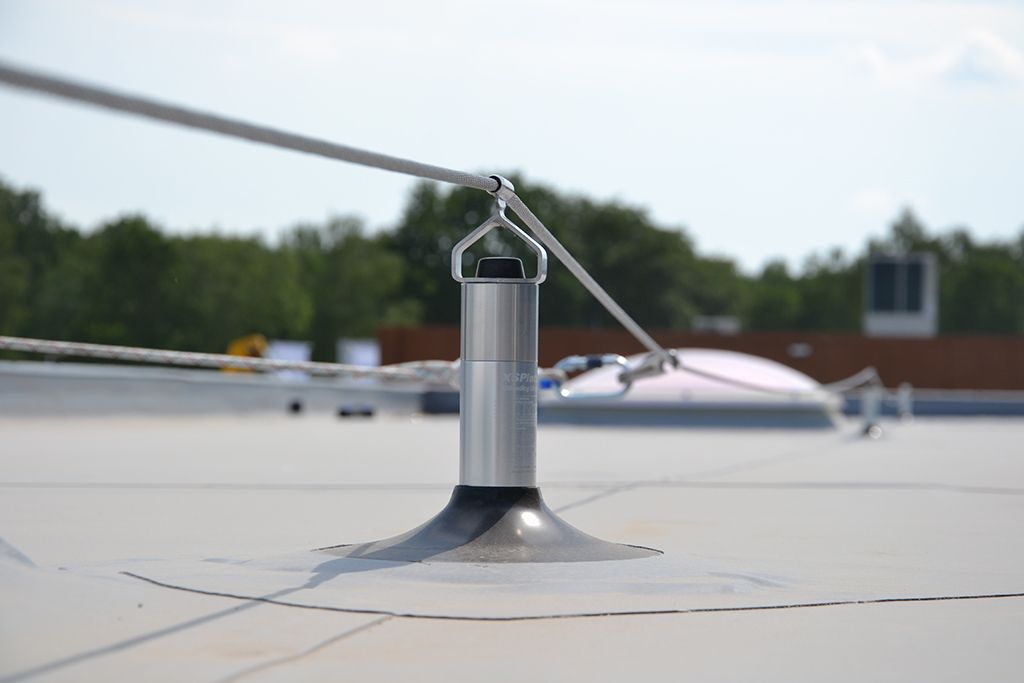
We inspect a wide range of permanently installed and engineered fall protection systems. Inspection scope and criteria vary by system type, environment, and manufacturer requirements.

FAQs
Common questions regarding inspection scope, requirements and documentation.
How often are fall protection systems required to be inspected?
Inspection frequency depends on system type, manufacturer requirements, site conditions, and regulatory guidance. Many systems require at least annual inspection, with additional inspections following system modification, impact loading, or environmental exposure.
What standards do inspections follow?
Inspections are conducted in accordance with OSHA and ANSI regulations and applicable manufacturer specifications. When relevant, industry consensus standards are also considered.
What documentation is provided after inspection?
Inspection reports typically include system identification, inspection findings, noted deficiencies, and recommendations for corrective action where applicable.
What happens If a system does not pass inspection?
Systems found to be non-compliant or unsafe are documented accordingly. Recommendations may include repair, component replacement, sytem modifications, or removal from service until deficiencies are addressed.
Who can perform a fall protection inspection?
Describe the item or answer the question so that site visitors who are interested get more information. You can emphasize this text with bullets, italics or bold, and add links.Can inspections be performed during normal operations?
In many cases, inspections can be coordinated to minimize disruption. Access requirements and site conditions may affect scheduling and inspection methods.
Is corrective work included if issues are identified during inspection?
Corrective work is not included as part of inspection services unless specifically contracted under a separate scope of work. Inspection may include recommended corrective actions where deficiencies are identified.
What is the difference between inspection and recertification?
Annual inspections are required routine checks by a Competent Person focusing on wear, damage, and functionality to ensure safety and OSHA compliance. Recertification (5-year-engineering review) is required every 5 years and is a deeper assessment done by a Qualified Person that evaluates the original design. Calculations, and compliance with current safety standards.
Still have a question?
Inspecting to Applicable Safety Standards
Our inspection process is structured to verify compliance, system integrity, and ongoing serviceability using methods appropriate to each system type and site condition.
OSHA and ANsi compliance
We inspect all systems according to OSHA 1926, 1910, 1970, and ANSI Z359. When relevant, industry consensus standards are also considered.
qualified inspection personnel
System inspections are performed by in-house staff holding current OSHA Competent Person certifications. Inspectors are trained to identify hazards, evaluate system condition, and document findings in accordance with applicable requirements.
inspection documentation and certification
Upon completion, an inspection certificate is issued documenting that the fall protection system has been evaluated by qualified personnel. Documentation includes inspection findings, noted deficiencies, and recommended corrective actions, providing a clear record for compliance and audit purposes.
Avoid preventable accidents with fall protection inspections
Inspection reports document system condition, identify deficiencies, and outline recommended corrective actions where applicable. Clear documentation supports compliance efforts and helps maintain systems in serviceable condition.
Inspections are coordinated to accommodate site operations and access requirements.
Contact us to request a fall protection system inspection.