Fall Protection Industries
We safeguard diverse industries and applications with state-of-the-art fall arrest and restraint technology.
fall protection for every industry
We support a wide range of industries with fall protection systems and account for site- and task-specific hazards. Our team helps identify appropriate fall arrest and restraint solutions to support safe work and regulatory compliance
industries we serve
Our professionals can design and build the correct solutions for your industry, ensuring your team’s safety is top of mind and that you’re in compliance with
OSHA standards.
Aerospace
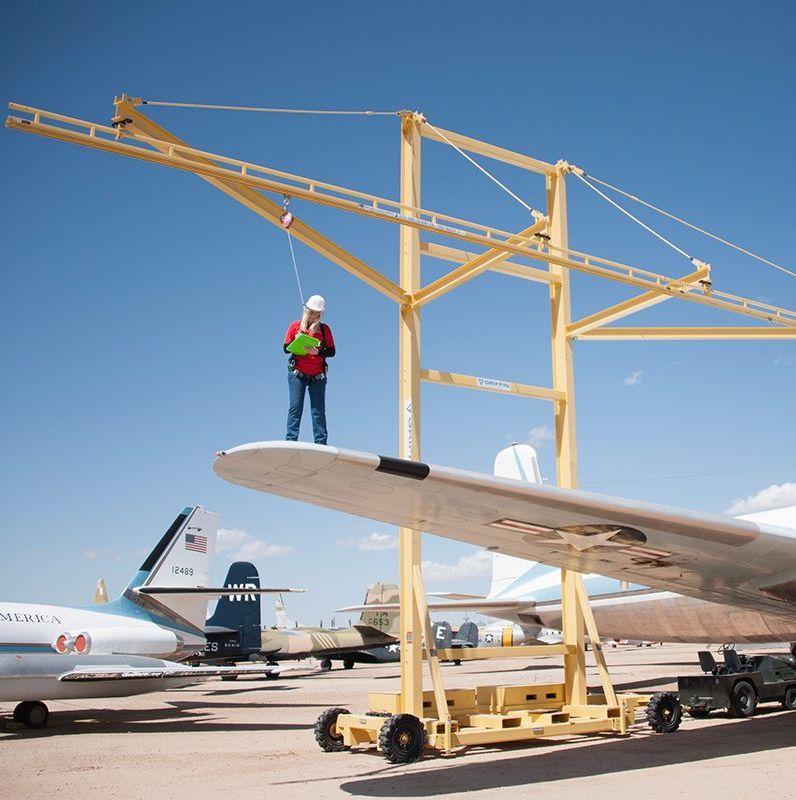
TALK TO A SPECIALISTAerospace work often involves tasks performed at height, including assembly on elevated platforms, maintenance of large structures, and installation on aerospace vehicles. Fall protection systems are required to manage risk where access, clearance, and equipment increase exposure to falls.
Aircraft
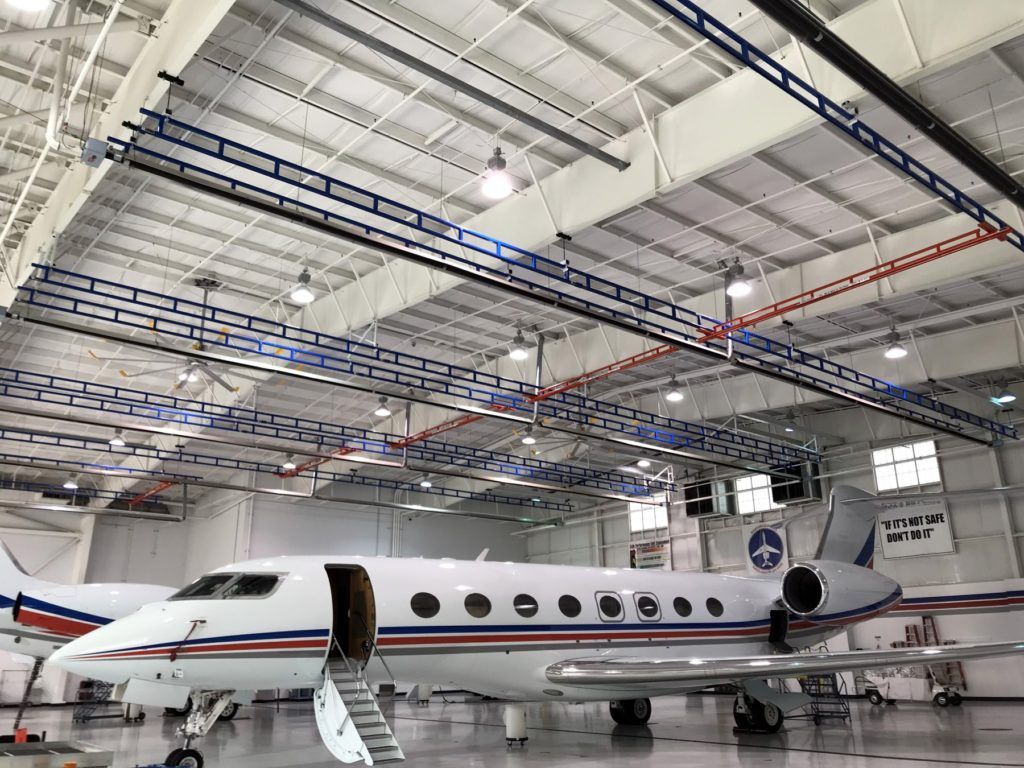
TALK TO A SPECIALISTAircraft maintenance and inspection require access to elevated areas of the aircraft and hangar environment. Technicians commonly use ladders, platforms, and personal fall protection systems to safely reach work areas while maintaining stability and clearance around the aircraft.
Agriculture & Mining
TALK TO A SPECIALISTAgriculture and mining work often involves access to elevated equipment and structures such as grain bins, silos, conveyors, and processing machinery. Falls from these locations present significant risk, making properly designed fall protection systems essential for safe access and maintenance.
Billboards
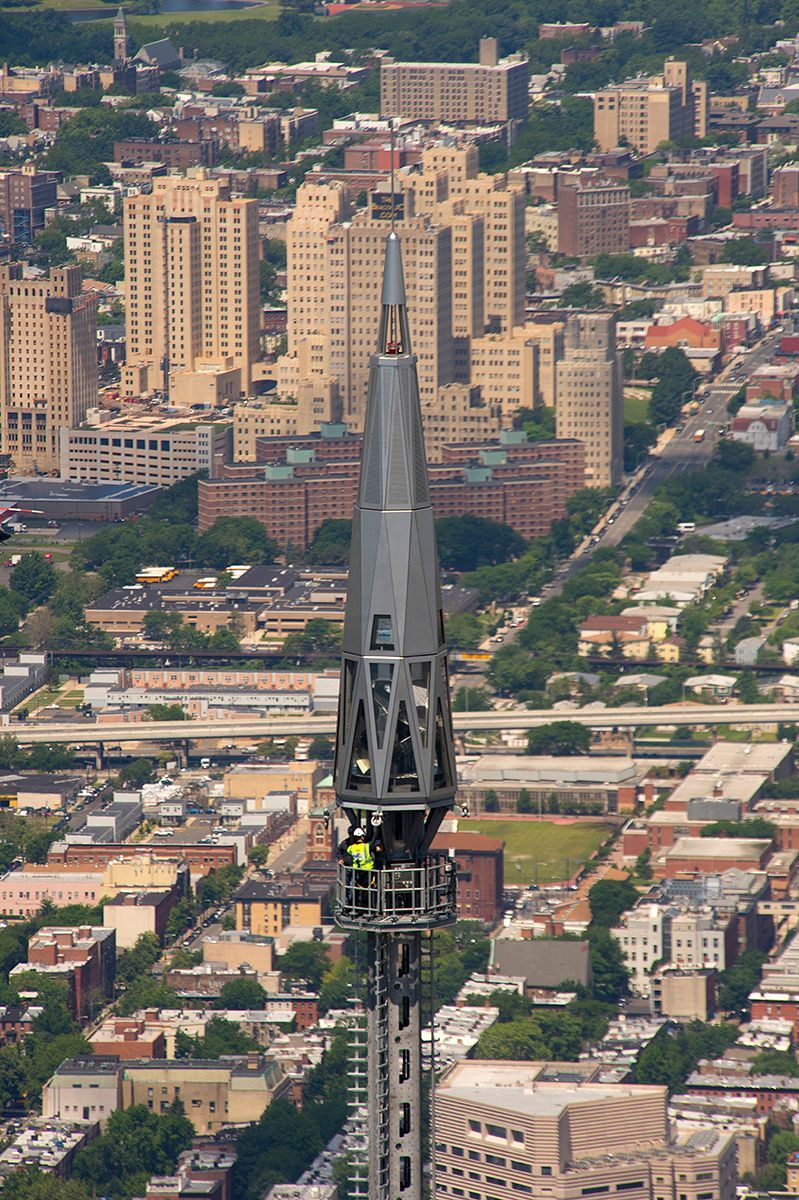
TALK TO A SPECIALISTBillboard work requires access at significant heights, often from narrow platforms or ladders. Exposure to wind and weather further increases fall risk. Fall protection typically includes fixed anchor points, vertical lifelines, or engineered access systems designed for the structure and load requirements.
Bridges
TALK TO A SPECIALISTBridge work often involves elevated conditions over water or active roadways, with limited walking surfaces and temporary access points. Fall protection measures such as personal fall arrest systems, guardrails, and safety nets are used to reduce risk and secure work areas.
Building Maintenance / Window Washing
TALK TO A SPECIALISTBuilding maintenance and window washing work often requires access from scaffolding, ladders, and suspended platforms. Fall protection systems are used to reduce risk during exterior maintenance, façade work, and rooftop access.
Bus
TALK TO A SPECIALISTBus maintenance often requires access to elevated areas such as roofs, engine compartments, and interior ceilings. Fall protection measures—including ladders, guardrails, and personal fall arrest systems—are used to reduce risk during inspection and maintenance tasks.
Chemical
TALK TO A SPECIALISTIn chemical processing facilities, workers often access elevated platforms, catwalks, and tanks. Fall protection systems are required to manage risk in these environments, where limited access, elevation changes, and fixed equipment increase exposure to falls.
Construction
LEARN MOREConstruction sites present a wide range of fall hazards, including unguarded edges, floor openings, scaffolding, ladders, and roofs. Changing site conditions, unfinished structures, and multiple trades working simultaneously increase fall exposure throughout the project.
Cranes
TALK TO A SPECIALISTCrane operation requires access at height in confined spaces and variable weather conditions. Falls from cranes present serious risk to operators and to personnel working below, making appropriate fall protection systems critical.
Data Centers
TALK TO A SPECIALISTData center environments often require technicians to access raised floors, elevated platforms, and equipment areas for maintenance and service. Fall protection systems are used where changes in elevation and limited access increase fall risk.
Dams
TALK TO A SPECIALISTDam construction, inspection, and maintenance often require work at height, on steep slopes, or near water. Fall protection systems, including personal fall arrest equipment and lifelines, are used to reduce risk in these conditions.
Distillery & Brewery
TALK TO A SPECIALISTDistillery and brewery operations often require access to elevated platforms, catwalks, ladders, and tanks. Wet surfaces from spills increase slip and fall risk, making appropriate fall protection measures necessary during production and maintenance tasks.
Distribution & Fulfillment
TALK TO A SPECIALISTDistribution and fulfillment facilities often include elevated platforms, conveyors, storage racks, and mezzanines. Fall protection systems are used where workers access catwalks, platforms, and elevated work areas during material handling operations.
Education
TALK TO A SPECIALISTEducational facilities often require maintenance work at height, including lighting replacement, roof repairs, and window cleaning. In theaters, gyms, and auditoriums, technicians may also access lighting grids and overhead structures, where fall protection is required.
Energy
TALK TO A SPECIALISTEnergy sector work often involves access at height on structures such as wind turbines, transmission towers, and offshore platforms. Fall protection systems are required to manage risk in these environments, where elevation, equipment, and weather conditions increase exposure to falls.
Grain & Feed
TALK TO A SPECIALISTWorkers in this industry often perform tasks at elevated heights, such as loading or unloading grain from storage silos, conducting maintenance on equipment and machinery, or working on elevated platforms. The presence of unstable surfaces, inclines, and potential slip and trip hazards greatly increase the risk of falls.
Government / Military
TALK TO A SPECIALISTGovernment and military work often involves access at height for maintenance and construction activities on rooftops, ladders, scaffolding, and fixed structures. In specialized operations where personnel work at height, fall protection systems and task-specific training are used to manage fall risk.
Healthcare
TALK TO A SPECIALISTHealthcare facilities require access to rooftops, mechanical rooms, and boiler systems, often within confined or elevated spaces. These conditions increase the risk of slips, trips, and falls, making appropriate fall protection measures necessary during maintenance and service work.
Hospitality
TALK TO A SPECIALISTHospitality facilities present fall risks from wet floors, uneven surfaces, and overhead maintenance tasks. Activities such as window cleaning, lighting maintenance, and fixture installation may require access at height, where fall protection measures are used to reduce risk.
Lumber & Paper
TALK TO A SPECIALISTLumber and paper facilities include elevated catwalks, platforms, and ladders used during material handling and maintenance operations. Irregular materials and active equipment increase slip and fall risk, making appropriate fall protection measures necessary.
Manufacturing
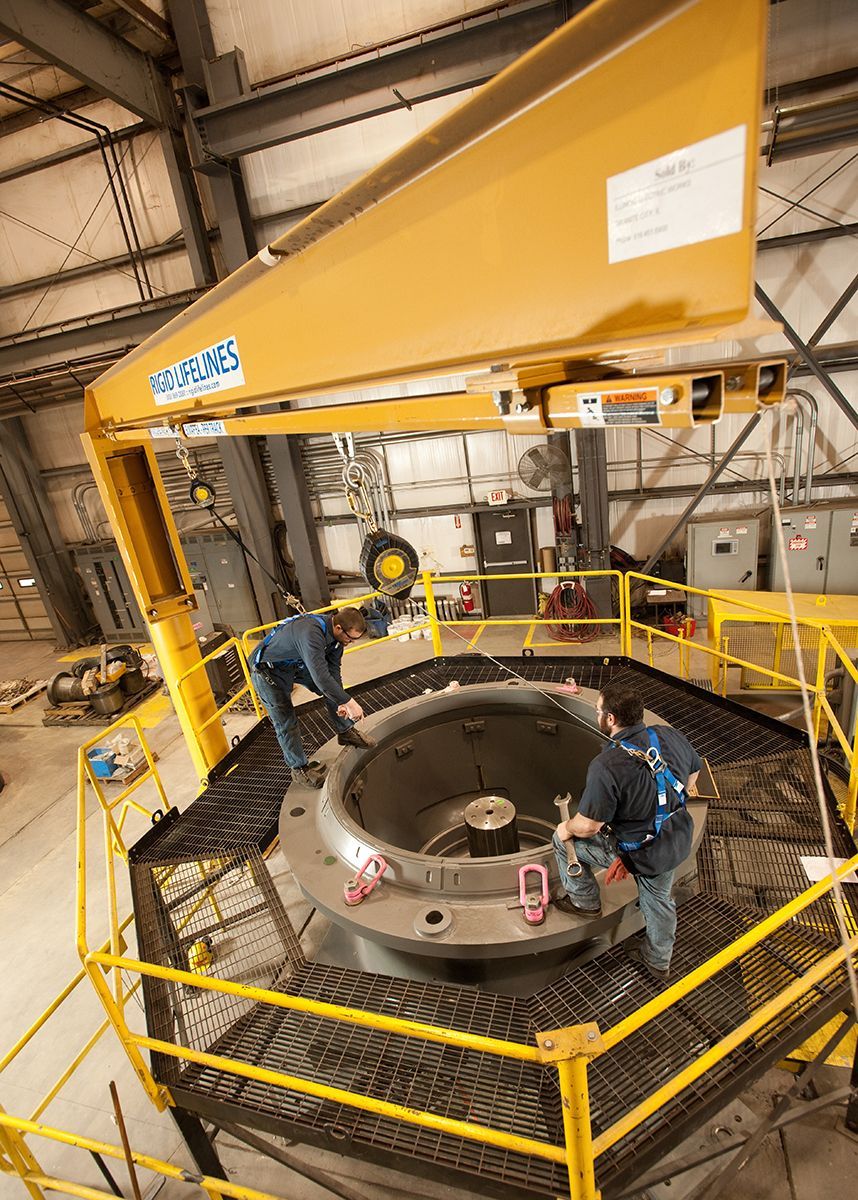
TALK TO A SPECIALISTManufacturing facilities include elevated platforms, machinery, scaffolding, and ladders used for production and maintenance tasks. These conditions create fall hazards that require appropriate fall arrest or restraint systems to manage risk.
Nuclear Power
TALK TO A SPECIALISTNuclear facilities require access to elevated equipment and structures such as reactors, turbines, cooling towers, and service platforms. Limited clearances, narrow walkways, and fixed equipment increase fall risk, making appropriate fall protection measures necessary.
Pipe Racks
TALK TO A SPECIALISTPipe racks are used for the storage and transport of pipes, which often require workers to operate at elevated heights, such as during loading and unloading operations. These tasks involve working on narrow platforms or scaffolding with limited access points, increasing the risk of falls.
Power Transmission Towers
TALK TO A SPECIALISTPower transmission work requires access to tall structures with limited footing and narrow platforms, often in remote locations. Fall protection systems are used to manage risk during climbing, inspection, and maintenance activities.
Railcar
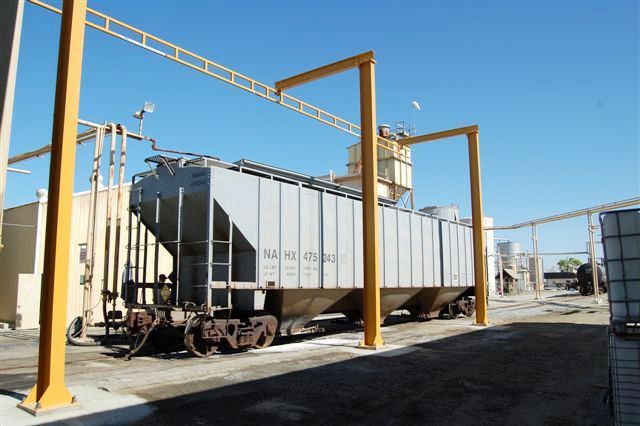
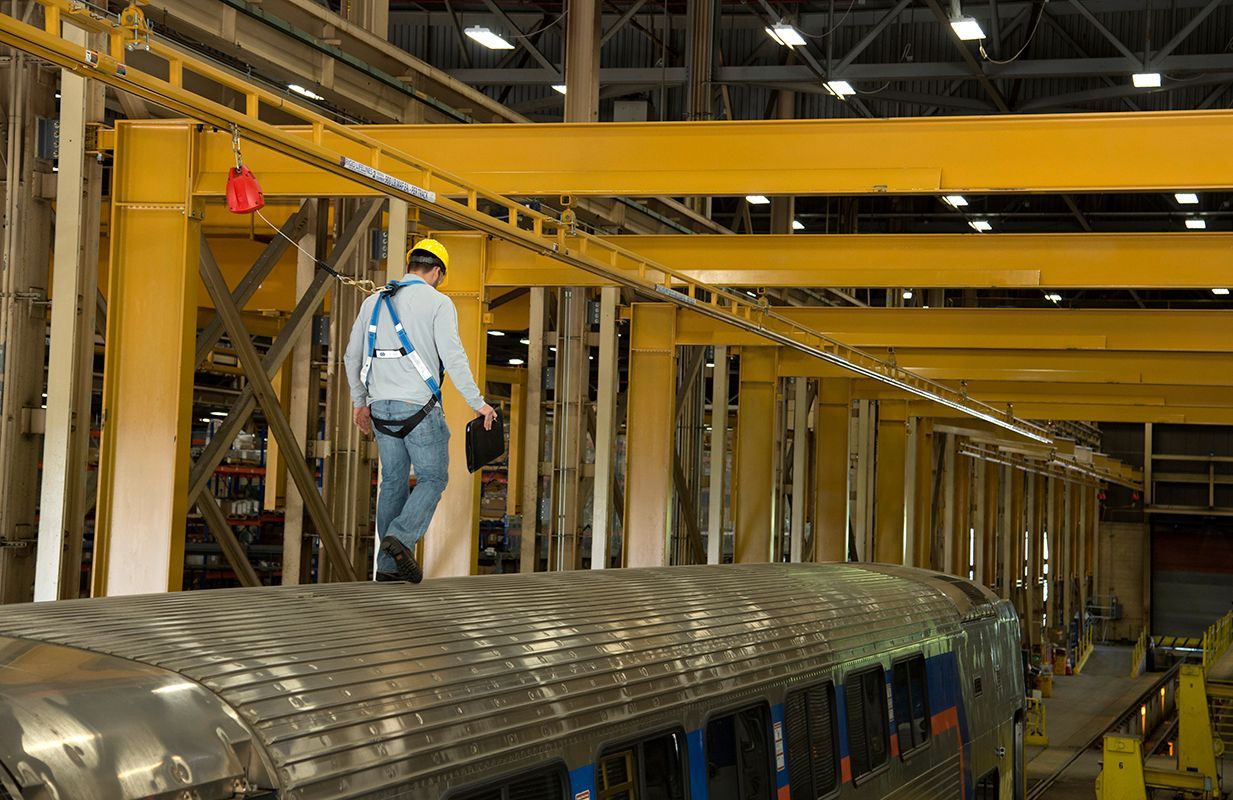
TALK TO A SPECIALISTRail yard maintenance and inspection require workers to climb onto railcar roofs, ladders, and access points, including tanker car hatches and interior platforms. These tasks involve unguarded edges and variable footing, where engineered fall arrest systems are required to control fall risk.
Retail
TALK TO A SPECIALISTRetail facilities include stockrooms, elevated storage areas, and sales floors where ladders and step stools are used for stocking and display work. These conditions introduce fall hazards that require appropriate fall prevention and access controls.
Rooftop
TALK TO A SPECIALISTRoof-related work includes installation, maintenance, and repair activities performed by roofers, solar installers, HVAC technicians, and maintenance crews. These tasks involve unguarded edges and elevated surfaces, where fall protection systems are required to manage risk.
Ships & Barges
TALK TO A SPECIALISTWork on ships and barges involves uneven surfaces, vertical access ladders, and narrow walkways, often under variable weather conditions. These factors increase slip and fall risk, requiring appropriate fall protection measures during maintenance and operations.
Stadiums & Arenas
TALK TO A SPECIALISTStadiums and arenas require access to elevated lighting grids, catwalks, seating structures, and temporary scaffolding during construction, maintenance, and event setup. Steep slopes and overhead work areas increase fall risk, requiring appropriate fall protection systems to support safe access and operations.
Steel & Foundry
TALK TO A SPECIALISTSteel and foundry operations require access to catwalks, ladders, cranes, and elevated platforms around furnaces and heavy equipment. Limited footing, moving loads, and hot-process areas increase fall risk, making appropriate fall protection systems necessary during production and maintenance activities.
Tanks & Silos
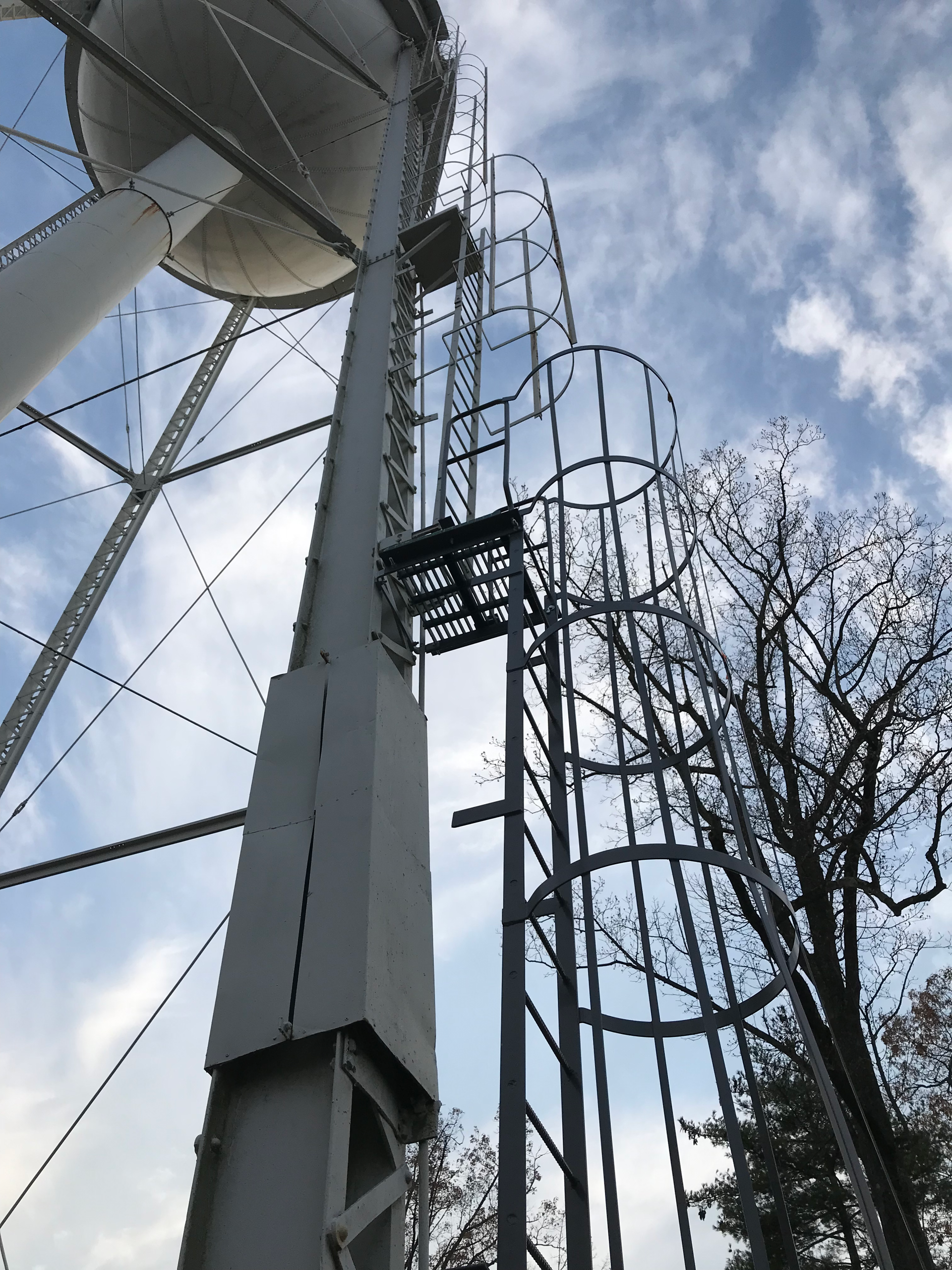
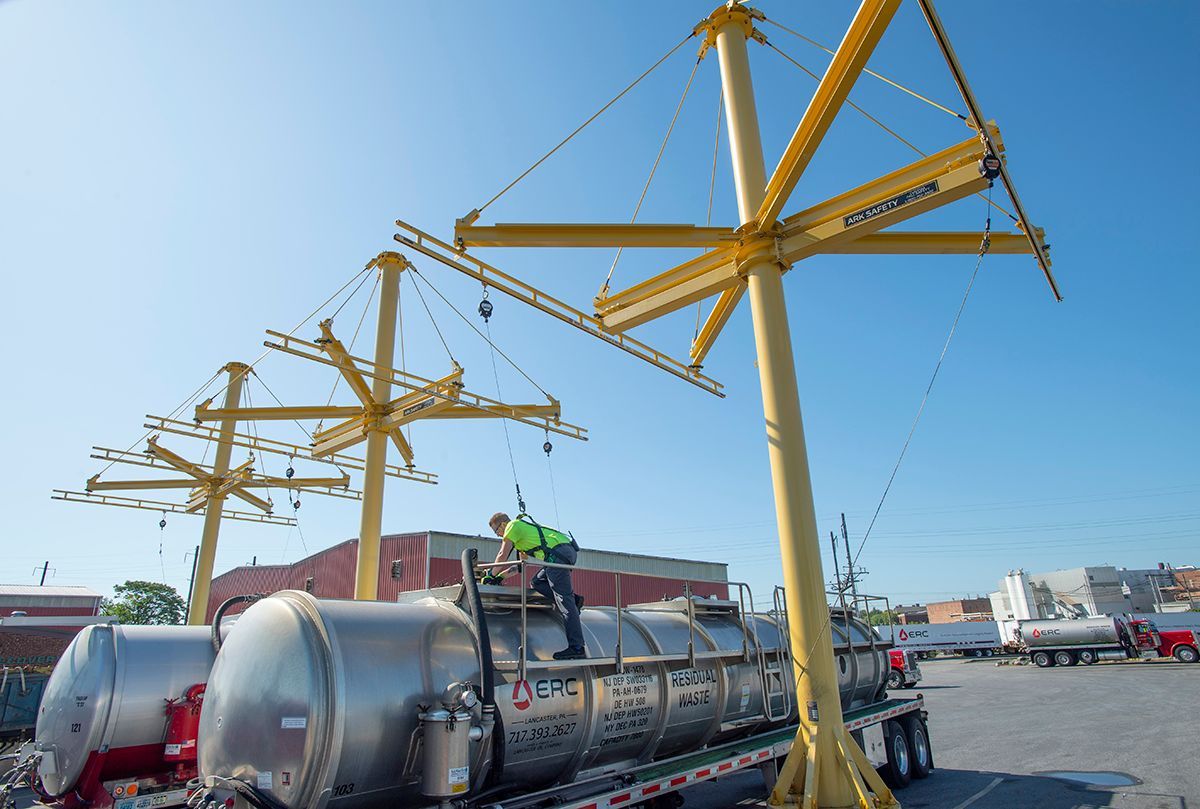
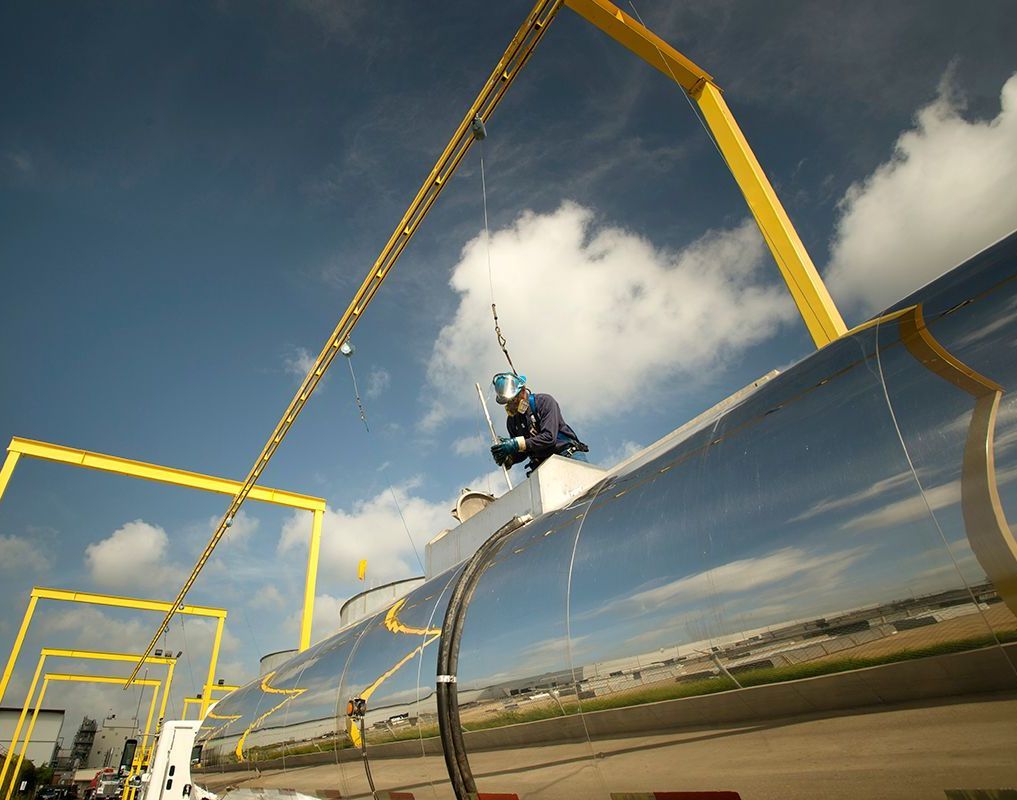
TALK TO A SPECIALISTEmployees working on tanks and silos are generally responsible for tasks such as inspection, cleaning, and maintenance on top of these structures, exposing them to high risks of falls.
Telecom
TALK TO A SPECIALISTTelecommunications work includes tower climbing, antenna installation, and rooftop access. These tasks involve exposure to fall hazards that require systems such as personal fall arrest equipment, guardrails, or safety netting to manage risk.
Theater & Performance
TALK TO A SPECIALISTTheater and performance environments require access to lighting grids, rigging systems, and overhead equipment during installation and operation. In some productions, performers may also work above stage level, increasing the need for appropriate fall protection measures.
Trucks & Trailers
TALK TO A SPECIALISTTruck and trailer operations often require access to trailer beds, roofs, and elevated loading areas during loading, unloading, and maintenance. These tasks present fall hazards that are managed through appropriate fall protection measures such as guardrails and personal fall arrest systems.
Wind Power
TALK TO A SPECIALISTWind turbine maintenance and inspection require access to nacelles and blades at significant height. Variable wind conditions and limited access increase fall risk, requiring appropriate fall protection systems and personal fall arrest equipment.
Find your custom fall protection solution
We provide fall protection systems designed to support safe work across a range of environments, with solutions tailored to site-specific conditions and access requirements.